Decision Guide � Save 15-30% on Manufacturing
Direct Clothing Manufacturer vs Platform Marketplace
Why going direct saves money and gives you more control. Fashion brands face a critical choice: use a manufacturing platform or work directly with factories. Platforms offer convenience but add markup. Direct relationships require more effort but deliver better margins and control. This honest guide helps you decide what's right for your brand.
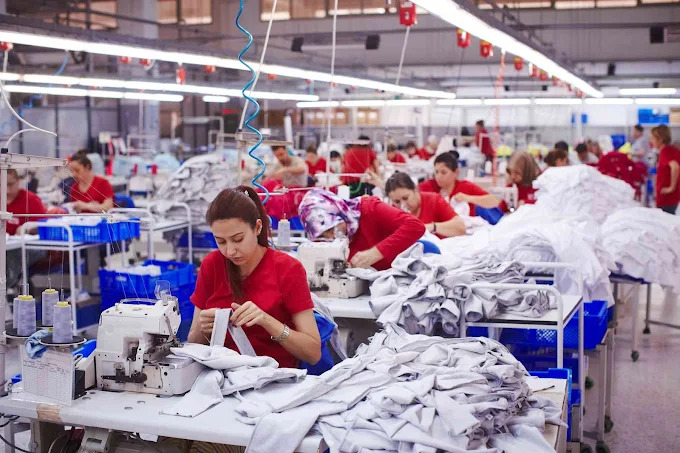
How Clothing Manufacturing Platforms Work
Clothing manufacturing platforms operate as intermediaries between fashion brands and factories. The platform business model is straightforward: they maintain a network of vetted factories, handle client communication, and add a margin to factory prices. For brands new to manufacturing, platforms reduce complexity by providing curated factory options, standardized processes, and customer support throughout production.
Platforms typically vet factories for quality standards, social compliance, and production capacity. This vetting service has genuine value�brands without manufacturing experience gain access to pre-qualified suppliers. However, this convenience comes at a cost. Platforms hold the margin between factory price and what they charge brands. This markup typically ranges from 15% to 30% of the total order value, though it can be higher for smaller orders.
Communication through platforms follows a chain: brand communicates with platform account manager, who relays information to factory, factory responds to platform, platform responds to brand. This indirect communication can slow feedback loops, especially for sample revisions and production adjustments. When quality issues arise, resolution goes through platform support rather than direct factory contact, which can extend problem resolution time.
Manufacturing platforms serve a specific market well: complete beginners who need hand-holding, brands with very small orders under 300 pieces, and companies conducting market research before committing to manufacturing. For these situations, the platform markup may be worth the convenience and reduced risk. However, for brands who know what they want, have clear specifications, and want to maximise margin, going direct makes more economic sense.
The Hidden Cost of Platform Markups
The most significant disadvantage of manufacturing platforms is the markup added to factory prices. While platforms may present this as a service fee, it's effectively a permanent cost on every order. This markup compounds over time, representing substantial money that could otherwise fund product development, marketing, or profit. The impact becomes clear when you calculate real numbers across typical production scenarios.
| Feature | Platform | Direct Factory |
|---|---|---|
| Cost | 15-30% markup on factory price | Factory pricing, no markup |
| Communication | Through platform account manager | Direct with production team |
| Speed | Slower due to intermediary layers | Faster, direct response |
| Relationship | Transactional, platform-centric | Long-term, factory-centric |
| Flexibility | Limited by platform terms | Negotiable directly with factory |
| Scenario | Platform Route | Direct Factory Route | Saving |
|---|---|---|---|
| 1,000 t-shirts at $6 FOB | $7,200 (20% markup) | $6,000 | $1,200 |
| 500 hoodies at $14 FOB | $8,400 (20% markup) | $7,000 | $1,400 |
| 300-piece activewear at $18 FOB | $6,480 (20% markup) | $5,400 | $1,080 |
Consider a brand manufacturing $20,000 worth of clothing annually. With a 20% platform markup, that's $4,000 per year in platform fees. Over three years, the cumulative cost is $12,000. That $12,000 could fund an entire additional production run, cover a significant marketing campaign, or go directly to profit. For emerging brands where every dollar matters, this is a substantial opportunity cost.
Platform markups are typically highest on smaller orders because fixed platform costs are spread across fewer units. A 300-piece order might face 25-30% markup, while larger orders of 1,000+ pieces might see 15-18%. This creates a perverse incentive: platforms profit most from the brands that can least afford the markup. Going direct eliminates this scaling penalty�you negotiate factory pricing regardless of order size.
Some platforms argue their markup covers quality assurance and risk mitigation. However, direct factories also provide quality guarantees, and third-party inspection services cost $200-500 per order�far less than platform markups. The value proposition of platforms diminishes quickly once you have basic manufacturing knowledge and can communicate directly with factories.
What You Lose When Communication Goes Through a Platform
Direct communication with your factory is not just about convenience�it affects quality, speed, and problem-solving. When every message passes through a platform intermediary, you lose nuance, speed, and relationship building. The practical impact shows up throughout the production process in ways that directly affect your product and timeline.
Sample feedback illustrates the problem clearly. With direct communication, you speak directly with the sample room manager, explain exactly what needs adjustment, and get clarification on what's possible. Through a platform, your feedback goes: you ? platform account manager ? factory liaison ? sample room ? factory liaison ? platform account manager ? you. Each step adds delay and potential misinterpretation. What should be a 2-day revision cycle can stretch to a week or more.
Production problems get discovered later with platforms because you lack direct visibility. Direct factories send photos and updates proactively when they have relationships. Platform communication often follows scheduled checkpoints rather than real-time updates. By the time you learn about an issue through platform channels, it may have already affected production quantity or quality. Direct relationships enable faster intervention when problems arise.
Relationship building matters more than many brands realize. When you work directly with a factory, the production team knows you, understands your standards, and develops investment in your success. Over time, this translates to priority treatment during peak seasons, flexibility on rush orders, and proactive quality control. Platform relationships are transactional�the factory works for the platform, not for you. The platform may switch factories between orders, preventing any relationship from developing.
Price negotiation is limited through platforms because platforms set their own margins. Factory pricing may be negotiable, but the platform's markup is fixed. When you work directly, you negotiate the full price directly with decision-makers. Over multiple orders, this negotiation power yields better terms as volume increases. Platforms have little incentive to pass volume savings to brands�their margin is the priority.
Intellectual property and confidentiality concerns increase with platforms. Your designs, tech packs, and specifications pass through the platform's systems before reaching the factory. While legitimate platforms have confidentiality policies, you're adding another party to your IP chain. Direct factory relationships allow you to control exactly who sees your designs and negotiate NDAs directly with the production facility.
When a Platform Actually Makes Sense
Despite the cost disadvantages, manufacturing platforms serve a legitimate purpose for certain brands. The key is understanding when the convenience outweighs the markup. Being honest about this builds credibility�platforms are not inherently bad, they're just not right for every stage or type of brand.
Complete beginners with no manufacturing knowledge benefit from platforms. If you've never produced clothing before, don't understand tech packs, and aren't sure how to evaluate factories, platforms provide guidance. The markup pays for education and hand-holding. However, this should be viewed as a temporary solution. Once you've completed a few production runs and learned the basics, transitioning to direct relationships makes economic sense.
Brands that need factory vetting services they can't perform themselves may find value in platforms. If you lack the resources to verify certifications, check factory audits, or assess production capacity, platforms have already done this work. The markup covers the due diligence you'd otherwise need to commission. That said, factory vetting is a learnable skill, and many direct factories provide documentation you can verify independently.
Very small order volumes can make platforms practical. If you need under 300 pieces per style, many direct factories won't work with you. Platforms aggregate orders across multiple clients to meet factory minimums, enabling smaller runs. The tradeoff is higher per-unit costs, but for market testing or limited capsule collections, this may be acceptable. As soon as you're ready for 300+ piece orders, direct factories become viable and more economical.
Market research phase before committing to manufacturing is another valid use case. If you're testing product-market fit and not ready for full production, platforms can facilitate small prototype runs. This reduces risk during validation. Once you've confirmed demand and are ready to scale, pivot to direct manufacturing to improve margins. The platform serves as a stepping stone, not a long-term solution.
When Going Direct Is the Better Choice
For most brands ready for serious production, direct factory relationships deliver superior value. The transition from platform to direct typically happens once a brand has basic manufacturing knowledge and consistent order volume. Recognizing this transition point is key to maximising your manufacturing budget.
If you know your product specifications clearly and have a tech pack, you're ready for direct relationships. Tech packs demonstrate you understand what you want, reducing the need for platform hand-holding. Clear specifications enable direct factories to provide accurate quotes and produce to your standards. The learning curve you've already paid for through platforms or self-study now pays dividends in direct cost savings.
Consistent ordering of 300+ pieces per style makes direct factories viable. Most quality overseas manufacturers, including SDF Clothing, accept 300-piece minimums. At this volume, you have enough scale to be valuable to factories while still enjoying the flexibility of moderate production runs. Direct factories often show more flexibility on size and color combinations within MOQ than platforms because they control production decisions.
Building a real factory relationship over time creates strategic advantages. Direct factories value long-term clients and demonstrate this through priority scheduling, better pricing on repeat orders, and proactive quality improvements. Platforms may switch suppliers between orders, preventing relationship continuity. When you work directly, the factory invests in your success because you're their customer, not the platform's customer.
Margin sensitivity makes direct manufacturing essential. If every dollar of markup affects your business viability, the 15-30% platform premium is unsustainable. Direct factory pricing puts that margin back in your business. For price-competitive categories or brands operating on thin margins, this difference determines profitability. Even for premium brands, the savings fund better materials, more sophisticated marketing, or higher profits.
Faster communication and problem resolution matter for brands with tight timelines. Direct access to factory decision-makers means you can get answers in hours, not days. Production adjustments happen faster because you speak directly to the people implementing changes. When problems arise, you negotiate solutions with the factory directly rather than through platform support layers. This speed advantage becomes critical during peak seasons or when launching time-sensitive collections.
Privacy and IP protection concerns favor direct relationships. Your designs, specifications, and business strategies stay between you and the factory. You control NDAs, decide who sees what, and limit exposure. Platforms add another entity to your IP chain with their own systems and staff. While legitimate platforms have security measures, direct relationships minimize IP exposure by reducing the number of parties involved.
How Direct Factory Relationships Work
Working directly with a clothing manufacturer follows a straightforward process. While it requires more initial effort than using a platform, each step builds the foundation for a long-term partnership. Understanding this process demystifies direct manufacturing and shows that it's neither complex nor risky when approached systematically.
Research and Identify Direct Factories
Search for manufacturers specializing in your product type using Google with specific terms like "clothing manufacturer Bangladesh" or "activewear manufacturer Vietnam." Check industry associations such as BGMEA for Bangladesh members. Attend trade shows like Texworld or MAGIC where factories exhibit. Get referrals from other brands in your network. Verify that factories work directly with brands rather than exclusively through platforms. Check websites for direct contact information and client lists.
Send Enquiry with Tech Pack or Design Brief
Contact factories directly via email or contact forms with detailed information. Include your tech pack if you have one, or a comprehensive design brief with measurements, materials, colors, and order quantity. Specify your target price range and timeline. Professional, clear communication sets the tone for the relationship. Ask about MOQ, lead time, and payment terms. Direct factories respond faster than platforms because they're dealing directly with decision-makers.
Request and Evaluate Samples Directly
Order samples from 2-3 factories to compare quality and service. Sample costs typically range from $50-200 per style depending on complexity. Evaluate construction quality, fabric hand feel, accuracy to specifications, and overall finish. Request revisions if samples don't meet your standards�direct factories are often more flexible with revisions than platforms because they want your business. Sample costs are usually credited against bulk orders once you proceed with production.
Negotiate Pricing and Terms Directly
Discuss FOB pricing, which includes costs up to delivery at the port of origin. Negotiate based on order volume�larger quantities typically warrant better pricing. Standard payment terms are 30% deposit to start production and 70% before shipment. Confirm lead times for sampling and bulk production. Clarify what's included: fabric sourcing, sampling, quality inspection, packaging. Get everything in writing via email or a simple agreement. Direct negotiation often yields better terms than platform-fixed pricing.
Build Ongoing Relationship with Production Team
Maintain direct communication throughout production. Request regular updates and photos. Provide clear, specific feedback. Pay deposits on time to build trust. After delivery, share quality feedback and customer responses. Over multiple orders, this relationship yields priority treatment during busy seasons, flexibility on rush orders, proactive quality improvements, and better pricing as volume grows. The factory becomes invested in your success because you're their direct customer, not a platform client.
What to Look For in a Direct Clothing Factory
Not all factories are created equal, and choosing the right direct partner is critical for success. The evaluation criteria differ slightly from platform selection because you're assessing the factory itself, not a curated representation. Focus on tangible indicators of capability, reliability, and compatibility with your brand.
| Criteria | What Good Looks Like | Red Flag |
|---|---|---|
| Communication Speed | Response within 24-48 hours, clear answers, proactive updates | Response takes 3+ days, vague answers, you must follow up repeatedly |
| Sample Quality | Sloppy stitching, doesn't match specifications, poor fabric quality | |
| Certifications | GOTS, OEKO-TEX, BSCI, WRAP, ISO 9001�verifiable with issuing bodies | No certifications, unverifiable certificates, refuses to provide verification |
| Payment Terms | Standard 30% deposit, 70% before shipment, flexible for established clients | Demand 50%+ deposit, requires 100% upfront, unusual payment methods |
| MOQ Flexibility | 300-500 pieces per style, flexible size/color combinations within MOQ | Rigid 1,000+ piece minimums, no flexibility on breakdown |
| Factory Visit Options | Welcomes visits, offers video tours, transparent about operations | Refuses visits, opaque about facility location or operations |
| Transparency on Pricing | Detailed FOB quotes itemizing fabric, labor, finishing, inspection | Vague pricing, hidden charges, refuses to break down costs |
Communication speed is the first and most revealing indicator. A factory that responds quickly and clearly during sales will likely communicate well during production. Slow or vague responses during the courtship phase predict worse communication once they have your deposit. Test this by sending specific questions and noting response time and clarity.
Sample quality speaks louder than any website or brochure. Order samples before committing to bulk production. Evaluate stitching quality, fabric hand feel, construction accuracy, and overall finish. If samples don't meet your standards, bulk production won't either. Good factories stand behind their sample quality and make reasonable revisions to meet your specifications.
Certifications demonstrate commitment to quality, social compliance, and environmental standards. Key certifications include GOTS for organic materials, OEKO-TEX for chemical safety, BSCI or WRAP for social compliance, and ISO 9001 for quality management. Importantly, verify certifications with the issuing organizations using certificate numbers�fake certificates exist. SDF Clothing holds 13 verifiable international certifications.
Payment terms should follow industry standards: 30% deposit to start production, 70% before shipment. Be wary of factories demanding 50% or more deposit, or requiring 100% upfront payment. These terms increase your risk and deviate from norms. Established factories may offer more flexible terms for long-term clients, but this comes after relationship building, not on the first order.
MOQ flexibility indicates whether a factory can work with your scale. Many quality factories accept 300-500 piece minimums per style, especially for growing brands. Rigid 1,000+ piece minimums suggest the factory only wants large orders and won't grow with you. Also check flexibility within the MOQ�can you do multiple sizes and colors within the total, or are there per-color minimums?
Factory visit options reveal transparency. Legitimate factories welcome visits from qualified clients or offer video tours if travel isn't feasible. Refusal to allow visits, opacity about facility location, or reluctance to share photos of actual production are red flags. You don't need to visit for every order, but the option should exist, especially for initial partnership evaluation.
Transparency on pricing builds trust. Good factories provide detailed FOB quotes itemizing fabric costs, labor, finishing, quality inspection, and port delivery. Vague pricing or refusal to break down costs suggests hidden charges or lack of organization. Understanding the cost structure helps you make informed decisions and compare quotes accurately. SDF provides fully transparent pricing with no hidden charges.
Manufacturing Platform vs Direct Factory FAQ
Is it cheaper to use a manufacturing platform or go direct?
Going direct to a clothing manufacturer is typically 15-30% cheaper than using a platform. Platforms add markup to factory prices to cover their services. On a $20,000 annual manufacturing spend, a 20% platform markup costs $4,000 per year�$12,000 over three years. That's the cost of an entire extra production run. The savings compound as your order volume increases, making direct relationships increasingly economical as you scale.
How do I find clothing factories without using a platform?
Find direct factories through industry associations like BGMEA for Bangladesh or BKMEA for knitwear manufacturers. Trade shows such as Texworld, MAGIC, and Premi�re Vision feature factory exhibitors. Google searches with specific terms like "clothing manufacturer Bangladesh" or "private label clothing manufacturer" yield direct results. Referrals from other brands in your network are valuable. Sourcing agents can also introduce you to factories, though they charge fees. Direct factory relationships require more upfront research but yield better long-term value.
What is the typical markup on manufacturing platforms?
Manufacturing platforms typically add 15-30% markup to factory prices. This margin covers their vetting services, customer support, and platform operations. The markup varies by platform and order size�smaller orders often face higher percentage markups because fixed platform costs are spread across fewer units. Some platforms charge flat fees in addition to percentage markups. Going direct eliminates this cost entirely, putting that margin back into your business for product development, marketing, or profit.
Can small brands work directly with factories?
Yes, small brands can work directly with factories. Many overseas manufacturers, including SDF Clothing, accept orders as low as 300 pieces per style. Direct factories often have more flexibility than platforms for small orders because they value building long-term relationships. The key is having clear specifications, professional communication, and realistic expectations. Platforms sometimes market lower MOQs by aggregating orders, but the per-unit cost with markup is often higher than direct factory pricing at the 300-piece level.
How do I know if a factory is reliable without a platform?
Verify factory reliability through certifications (GOTS, OEKO-TEX, BSCI, WRAP, ISO 9001), industry association membership (BGMEA, BKMEA), client references from brands similar to yours, factory audit reports from third parties like BSCI or WRAP, and sample quality evaluation. Request photos of similar past production. Check online reviews and industry reputation. Start with a small trial order before committing to larger production runs. Reliable factories are transparent about capabilities and willing to provide verification.
What happens if quality is bad when I work directly?
When working directly, quality issues are resolved through direct communication with the factory. This is often faster than going through a platform because you speak directly with decision-makers who can authorize corrections. Protect yourself with clear contracts, written sample approvals before bulk production, and third-party quality inspection before final payment. Direct relationships give you more leverage to resolve issues because the factory values your long-term business. Platforms may be slower to resolve problems as they coordinate between you and the factory.
Do direct factories have minimum order requirements?
Yes, direct factories have MOQs, but they vary widely. Many quality overseas manufacturers accept 300-500 piece minimums per style with flexible size and color combinations. Platforms sometimes market lower MOQs because they aggregate orders across multiple clients to meet factory minimums. However, the platform markup on small orders can be proportionally higher. Direct factories offer better value at the 300+ piece level because you're paying factory pricing without intermediary markup. As your volume grows, direct factories provide increasingly better terms.
Is it risky to work with an overseas factory directly?
Working directly with overseas factories carries similar risks to working through a platform�the factory is the same either way. The key is due diligence: verify certifications, check references, use contracts and NDAs, and start with small orders. Direct communication actually reduces risk because you build a relationship with the actual production team, not a middleman. You control the relationship directly rather than relying on a platform's interpretation of issues. With proper vetting and clear agreements, direct factory relationships are no riskier than platform-mediated ones.
Ready to Go Direct and Save 15-30%?
SDF Clothing has helped 500+ brands transition from platforms to direct manufacturing since 1998. We offer 300 piece minimums, transparent FOB pricing, and direct communication with our production team. No platform markups, no middlemen�just factory-direct value.
Get a free FOB quote within 48 hours. We'll provide detailed pricing, lead times, and answer all your questions about direct manufacturing. Compare our quote to platform pricing and see the savings yourself.
Last updated: May 2026 � Average response time: 24 hours
Related: clothing manufacturer Bangladesh, OEM clothing manufacturer, private label manufacturer, clothing manufacturers for startups, sourcing agent service, quality inspection service, certifications, clothing manufacturing cost guide, how to start a clothing brand, ecommerce clothing manufacturer, contact, sample request.