300 Piece MOQ � Bangladesh Factory
Skirts Manufacturer � Custom Mini, Midi and Maxi Skirts from 300 Pieces
SDF Clothing manufactures custom skirts in Bangladesh with 300 piece minimum orders. We produce mini, midi, and maxi skirts including pleated, A-line, wrap, pencil, and tiered styles. From fashion-forward designs to modest wear, our skirts meet international quality standards with competitive pricing. Get a free factory quote for your skirt production today.
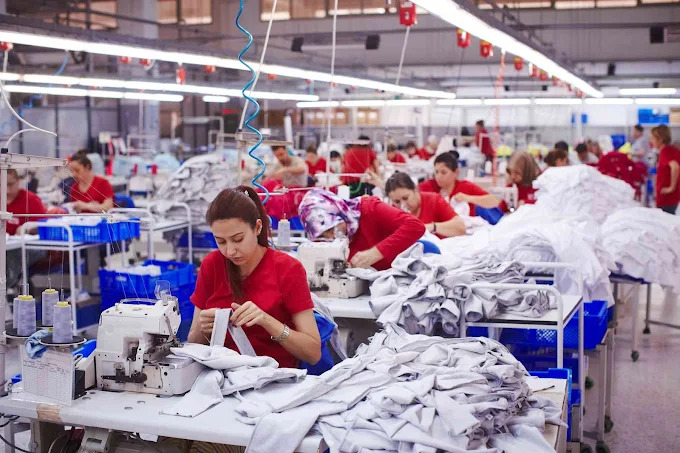
Types of Skirts SDF Manufactures
SDF produces a comprehensive range of skirt styles to serve diverse fashion segments. From basic A-line skirts to complex pleated designs, our manufacturing capabilities cover all skirt categories. This table outlines the skirt types we manufacture, their construction methods, ideal fabrics, lengths, and target markets.
| Style | Construction | Key Fabrics | Length | Best Market |
|---|---|---|---|---|
| Mini | Simple waistband, straight or A-line cut | Cotton, denim, polyester blends | 14-16 inches (above knee) | Fashion, youth, casual |
| Midi | Waistband with optional lining, A-line or straight | Cotton, rayon, linen, silk | 20-26 inches (below knee to mid-calf) | Office wear, modest fashion |
| Maxi | Elastic or fitted waistband, often lined | Chiffon, rayon, cotton, linen | 28-36 inches (ankle to floor) | Modest fashion, beachwear, evening |
| Pleated | Machine or hand-pressed pleats, secure waistband | Polyester, poly-cotton blends | Variable (mini to maxi) | Uniform, school, fashion |
| A-line | Fitted waist, flared hem, simple construction | Cotton, linen, denim, rayon | Variable (mini to midi) | Casual, office wear, versatile |
| Wrap | Overlap closure with tie or button, adjustable fit | Silk, rayon, cotton, satin | Midi to maxi | Maternity, adjustable fit, fashion |
| Pencil | Fitted through hip, straight or back vent | Wool blends, suiting fabrics, ponte | Midi (knee-length) | Office wear, formal, professional |
| Tiered | Multiple horizontal panels, gathered seams | Cotton, linen, rayon, chiffon | Midi to maxi | Bohemian, festival, casual |
| Circle skirt | Circular cut from fabric, full hem sweep | Satin, chiffon, lightweight fabrics | Mini to midi | Dance, evening, swing style |
Skirt Fabric Guide � From Cotton to Silk
Fabric choice significantly impacts skirt drape, structure, and suitability for different styles. SDF sources fabrics from certified suppliers and can recommend options based on your design requirements. This table outlines common skirt fabrics, their properties, ideal skirt styles, and price tiers.
| Fabric | Weight | Drape | Best Skirt Style | Price Tier |
|---|---|---|---|---|
| Cotton poplin | Medium (120-140 GSM) | Medium | A-line, pencil, casual skirts | Low-Medium |
| Linen | Medium (130-150 GSM) | Medium-Stiff | A-line, midi, summer skirts | Medium-High |
| Chiffon | Light (50-80 GSM) | High (fluid) | Maxi, evening, layered skirts | Medium |
| Satin | Medium (100-130 GSM) | High (shiny) | Evening, wrap, fashion skirts | Medium |
| Denim | Heavy (200-300 GSM) | Low (stiff) | Mini, A-line, pencil skirts | Low-Medium |
| Wool | Medium-Heavy (200-250 GSM) | Medium | Pencil, office wear, winter skirts | High |
| Jersey knit | Light-Medium (150-180 GSM) | High (stretch) | Pencil, pull-on skirts | Low-Medium |
| Velvet | Medium (200-250 GSM) | Medium (luxurious) | Evening, holiday, fashion skirts | Medium-High |
SDF offers linen clothing manufacturing and denim manufacturing with specialized expertise for these fabrics. Our fabric sourcing service helps you select the right material for your skirt designs. We serve clothing manufacturers for startups with flexible options.
Skirt Construction Details � What Separates Quality
Quality skirt construction involves attention to detail at every stage�waistband finishing, zipper installation, lining quality, hem treatment, and pleating precision. These construction details differentiate premium skirts from basic garments. SDF's manufacturing standards ensure professional construction on all skirt styles.
Waistband Types
Waistband construction significantly impacts skirt fit and comfort. Faced waistbands use fabric folded over the waist edge for a clean finish without visible waistband. Elastic waistbands provide stretch and comfort, ideal for casual and pull-on skirts. Curved waistbands follow the body's natural contour for better fit, particularly important for pencil and fitted skirts. Petersham ribbon waistbands use a sturdy grosgrain ribbon inside the waistband for structure and shape retention�common in high-end skirts. We recommend waistband type based on your style and fit requirements.
Zip Types
Zipper placement and type depend on skirt style and design. Invisible zips are ideal for side or back closures, providing a clean finish without visible zipper teeth. They're standard for dressy skirts and formal wear. Regular zippers (nylon or metal) work for side closures where visibility is acceptable or as a design element. Back zips are traditional for pencil and fitted skirts. Center back zips provide the cleanest front appearance. SDF installs all zipper types with proper reinforcement at top and bottom to prevent zipper failure.
Lining
Lining serves multiple purposes: opacity for sheer fabrics, body for structured skirts, comfort against skin, and improved garment longevity. Lining is essential for chiffon, georgette, and lightweight fabrics to ensure modesty. Structured skirts like pencil skirts benefit from lining for smooth fit over undergarments. We provide matching fabric lining for seamless appearance, contrast lining for design interest (visible at hem or vent), and breathable lining options like acetate or Bemberg for comfort. Lining adds cost but significantly improves garment quality. We offer private label manufacturing for branded skirts.
Hem Treatments
Hem finishing affects both appearance and durability. Blind hem (invisible stitching) provides a clean finish on both sides, ideal for formal skirts and visible hems. Rolled hem creates a narrow, finished edge on lightweight fabrics like chiffon and silk. Raw edge or frayed hem is a deliberate design choice for casual or deconstructed styles. Bound hem uses bias tape to finish the edge, adding color contrast and durability. The choice depends on fabric weight, skirt style, and desired aesthetic. Our fit engineering service advises on appropriate hem treatments.
Pleating Techniques
Pleating transforms flat fabric into structured three-dimensional shapes. Machine pleating uses heat and pressure to set pleats permanently, ideal for uniform knife or box pleats. Hand-pressed pleating offers more variety and customization but is labor-intensive. Accordion pleats are narrow, closely spaced pleats creating a fan effect. Sunray pleats radiate from the waistband, creating fullness at the hem while remaining narrow at the waist. Knife pleats all face the same direction, while box pleats face opposite directions creating volume. Pleating requires fabric with appropriate memory�polyester and blends hold pleats best. Quality pleating requires precise measurement and secure stitching at waistband. We offer pleated skirt manufacturing with expertise in various pleat styles.
Modest Fashion Skirts: Understanding the Market
The modest fashion market is growing rapidly, with increasing demand from Middle Eastern, Southeast Asian, and global consumers seeking clothing that provides coverage while maintaining style. SDF specializes in modest fashion skirts, understanding the specific requirements of this segment including length, opacity, and layering considerations. We offer modest fashion manufacturing with expertise in maxi and midi skirts.
Growing Modest Fashion Market
Modest fashion represents a significant and expanding market segment valued at over $280 billion globally. Consumers seeking modest wear value coverage without sacrificing style or quality. This market spans religious considerations (Islamic, Jewish, Christian modesty) and personal preference for less revealing clothing. Brands serving this market need manufacturers who understand modest fashion requirements�SDF has experience producing for modest fashion brands across international markets. Our modest fashion manufacturing expertise ensures your skirts meet modest wear standards. We offer full package production for complete collections.
Maxi Lengths and Coverage
Maxi skirts for modest fashion require specific length specifications. Ankle-length skirts typically measure 28-30 inches from waist to hem, while floor-length skirts measure 32-36 inches depending on wearer height. We produce skirts to your exact length specifications, accounting for grading across sizes. Length grading ensures consistency�your size S maxi should be proportionally as long as your size XL. For floor-length skirts, we can include extra length for different heel heights. Modest fashion often requires skirts to cover the ankle completely when standing�we ensure length specifications meet your requirements. Our tech pack service develops specifications.
Layering Considerations
Modest fashion skirts often incorporate layering elements for coverage and versatility. Underskirts or slips provide additional opacity, especially important for lightweight or sheer fabrics. We can manufacture underskirts as separate garments or integrated linings with extended length. Layered skirts feature overskirts over underskirts or slips, creating coverage while maintaining design interest. Wrap skirts with full overlap ensure coverage even when sitting or moving. We understand these layering requirements and can advise on construction methods that maintain modesty while achieving your design vision.
Fabric Opacity Requirements
Modest fashion requires fabric opacity�garments must not be see-through. We recommend fabrics with sufficient density or lining for lightweight materials. Chiffon, georgette, and rayon often require lining for modest wear. We test fabric opacity during sampling and recommend lining if necessary. Double-layer construction (two fabric layers) provides opacity without traditional lining. We can also source opaque fabrics specifically for modest fashion, including heavier-weight cottons, linens, and synthetic blends designed for coverage. Our fabric sourcing team understands modest fashion opacity requirements.
Pleated Skirts: Technical Requirements and Fabric Selection
Pleated skirts require specialized manufacturing techniques and fabric selection. The pleating process transforms flat fabric into structured garments with volume and movement. SDF has expertise in producing various pleat styles with consistent quality and pleat retention. We offer pleated skirt manufacturing with expertise in various pleat styles.
Pleating Techniques
Machine pleating uses industrial pleating machines with heat and pressure to set pleats permanently. This method is efficient and consistent, ideal for large production runs of uniform pleats. Hand-pressed pleating involves manually folding and pressing each pleat, allowing more customization but requiring skilled labor and more time. Machine pleating is cost-effective for standard knife or box pleats. Hand pleating suits complex or irregular pleat patterns where machines cannot achieve the desired effect. We recommend machine pleating for most commercial production unless design requires hand customization.
Fabric Requirements for Pleating
Not all fabrics pleat well. Polyester and polyester blends have excellent pleat memory�they hold pleats through washing and wearing. Natural fibers like cotton and linen can pleat but may lose sharpness over time, requiring re-pressing. Lightweight fabrics (120-150 GSM) work best for narrow knife pleats, while medium-weight fabrics (150-200 GSM) suit box pleats that need body. Heavy fabrics don't pleat well�they resist the sharp folds required. We test fabric pleat suitability during sampling and can recommend fabrics based on your pleat style. Our fabric sourcing includes pleating-appropriate materials.
Pleat Styles
Knife pleats are narrow, closely spaced pleats all facing the same direction, creating a uniform fan effect. They're the most common pleat type for skirts. Box pleats face opposite directions, creating volume and structure�common in school uniforms and formal wear. Accordion pleats are very narrow, tightly spaced pleats resembling an accordion bellows. Sunray pleats radiate from the waistband, creating fullness at the hem while remaining narrow at the waist. Inverted box pleats face inward, creating a smooth exterior with hidden volume. Each pleat style requires different construction methods and fabric considerations.
Quality Check: Pleat Retention
Pleat retention�how well pleats hold their shape through wear and washing�is a critical quality indicator. We test pleat retention during sample development by washing and drying samples to evaluate pleat sharpness retention. Quality pleats should maintain at least 80% of their original sharpness after 10 wash cycles. Factors affecting retention include fabric composition, pleating method (heat setting), and securing stitches at waistband. We secure pleats at the waistband with proper stitching to prevent unfolding. Our quality control process includes pleat retention testing before bulk production approval.
Skirt Size Chart: International Sizing Guide
Accurate sizing is essential for customer satisfaction. SDF provides skirt size charts following US, UK, EU, and Australian standards. This table shows typical waist and hip measurements for standard skirt sizes across international markets. We can also develop custom size charts based on your target customer measurements. We offer grading service to ensure accurate size scaling across your size range.
| Size | UK | US | EU | AU | Waist (in) | Hip (in) |
|---|---|---|---|---|---|---|
| XS | 6 | 2 | 32 | 6 | 24-25 | 34-35 |
| S | 8 | 4 | 34 | 8 | 26-27 | 36-37 |
| M | 10 | 6 | 36 | 10 | 28-29 | 38-39 |
| L | 12 | 8 | 38 | 12 | 30-31 | 40-41 |
| XL | 14 | 10 | 40 | 14 | 32-33 | 42-43 |
| XXL | 16 | 12 | 42 | 16 | 34-35 | 44-45 |
| Plus sizes | 18-24 | 14-20 | 44-50 | 18-24 | 36-42 | 46-52 |
Our grading service ensures accurate size scaling across your size range. We also offer plus-size clothing manufacturing with extended size charts for larger measurements. Submit a sample request to get started. We provide certification verification for quality assurance.
Skirt Manufacturing Costs and MOQ
Understanding cost structure helps you budget accurately for skirt production. Costs vary by style complexity, fabric choice, order quantity, and additional features like lining or pleating. This table shows approximate pricing at different MOQ levels for common skirt styles.
| Style | MOQ 300 | MOQ 500 | MOQ 1000+ |
|---|---|---|---|
| Basic A-line | $6.50-8.50 | $5.50-7.00 | $4.50-6.00 |
| Pleated | $9.00-12.00 | $7.50-10.00 | $6.00-8.00 |
| Maxi (lined) | $8.00-11.00 | $6.50-9.00 | $5.50-7.50 |
| Satin (evening) | $10.00-14.00 | $8.50-11.50 | $7.00-9.50 |
| Denim | $7.00-9.50 | $6.00-8.00 | $5.00-6.50 |
Prices are FOB Dhaka, approximate and vary by fabric, specifications, and current market conditions. Use our price calculator for detailed quotes specific to your requirements. Additional features like lining, embroidery, or special trims increase cost.
Skirts Manufacturer FAQ
What is the minimum order for custom skirts?
SDF Clothing offers a minimum order of 300 pieces per skirt style. This low MOQ makes custom skirts accessible to startup brands and boutique labels. We offer flexible size and color combinations within the 300 piece minimum, allowing you to test styles without committing to large quantities. For low MOQ clothing manufacturers, our 300 piece minimum is among the most competitive in the industry.
What fabrics are best for pleated skirts?
Polyester and polyester blends are ideal for pleated skirts because they hold pleats well and resist wrinkling. Polyester-cotton blends offer durability with natural feel. Rayon and viscose provide beautiful drape but require careful pleating. Lightweight fabrics (120-150 GSM) work best for knife pleats, while medium-weight fabrics (150-200 GSM) suit box pleats. SDF sources pleating-appropriate fabrics and can recommend options based on your design requirements.
Can you make maxi skirts for modest fashion brands?
Yes, SDF specializes in maxi skirts for modest fashion brands. We produce ankle-length and floor-length skirts with appropriate coverage for modest wear. We understand modest fashion requirements including fabric opacity, layering options, and length specifications. Our maxi skirts are popular in Middle Eastern, Southeast Asian, and global modest fashion markets. Learn more about our modest fashion manufacturing capabilities.
How long does skirt manufacturing take?
Standard skirt production takes 40-45 days from fabric sourcing to shipment. Sample development takes 7-14 days depending on complexity. Simple skirts (basic A-line) may complete faster (35-40 days), while complex skirts (pleated, structured) may take 45-50 days. Our sampling service ensures sample approval before bulk production. We provide clear timeline commitments and track production closely for on-time delivery.
Can you add an invisible zip to skirts?
Yes, we install invisible zips in skirts as standard or custom specification. Invisible zips are ideal for side or back closures on skirts, providing a clean finish without visible zipper teeth. We use quality invisible zippers from reputable suppliers and ensure proper installation for smooth operation. For skirts requiring alternative closures, we also offer regular zippers, buttons, hook-and-eye, and elastic waistbands depending on your design requirements.
What skirt lengths can you manufacture?
SDF manufactures skirts in all lengths: mini (above knee, 14-16 inches), midi (below knee to mid-calf, 20-26 inches), and maxi (ankle to floor, 28-36 inches). We produce custom lengths to your specifications. Length measurements vary by size�we grade length proportionally across size ranges. For modest fashion, we specialize in maxi lengths with floor-length options. Specify your preferred length in your tech pack or size chart.
Can you line all skirt types?
Yes, we provide lining for all skirt types. Lining is recommended for skirts made from sheer or lightweight fabrics, structured skirts requiring body, and skirts for modest fashion to ensure opacity. We offer matching fabric lining, contrast lining for design interest, and breathable lining options. Lining adds cost but improves garment quality and comfort. Our fit engineering service can advise on lining requirements for your specific designs.
Do you make matching skirt and top co-ord sets?
Yes, SDF manufactures matching skirt and top co-ord sets. We can produce coordinating skirts with tops (blouses, crop tops, shirts) using matching or complementary fabrics. Co-ord sets are popular for seasonal collections and fashion-forward brands. We ensure color matching across garments and consistent quality. Our dress manufacturer capabilities complement our skirt production for complete outfit manufacturing.
Ready to Manufacture Custom Skirts?
Get a free factory quote for your skirt production. Mini, midi, maxi, pleated, or wrap skirts�we manufacture all styles from 300 pieces. Contact SDF Clothing today to discuss your requirements.