Complete Guide � Updated for 2026 EU Regulations
Sustainable Fashion Manufacturing Guide � Certifications, Materials and EU Compliance for Brands in 2026
This comprehensive guide covers everything fashion brands need to know about sustainable manufacturing: GOTS and OEKO-TEX certifications, fabric sustainability scores, EU Green Claims Directive, Digital Product Passport requirements, CBAM carbon costs, and practical steps to build genuinely sustainable collections. We provide honest assessments, real cost data, and actionable guidance for brands targeting EU, UK, and US markets.
What Makes Clothing Manufacturing Truly Sustainable?
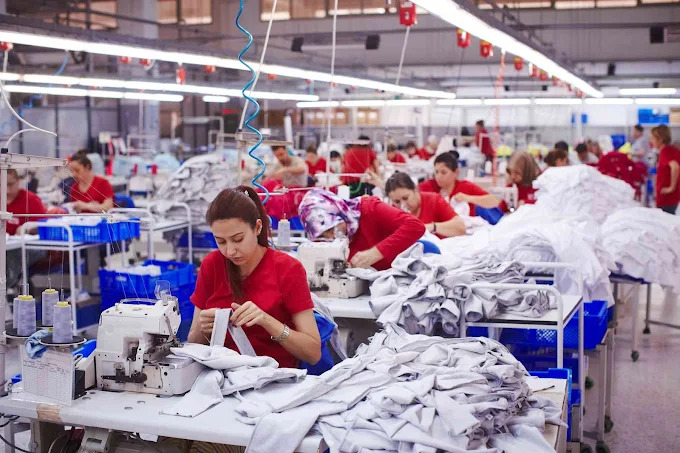
"Sustainable" has become one of the most overused terms in fashion. Every factory claims sustainability, every brand markets eco-friendly products, but what does sustainability actually mean in manufacturing? True sustainability goes far beyond using organic cotton or recycled polyester. It encompasses environmental impact, social responsibility, economic viability, and circular design principles throughout the entire supply chain. Brands that understand these dimensions can make informed sourcing decisions and avoid greenwashing while building genuinely sustainable collections.
Environmental sustainability in manufacturing addresses water consumption, chemical usage, energy sources, carbon emissions, and waste generation. A truly sustainable factory implements water recycling systems, uses certified chemical inputs, sources renewable energy where possible, minimizes carbon footprint through efficiency measures, and maintains waste reduction programs. However, environmental metrics alone are insufficient. Social sustainability ensures fair wages, safe working conditions, no forced or child labor, freedom of association, and worker representation. Economic sustainability requires factory financial stability that enables long-term investment in improvements and living wages. Circular sustainability considers product end-of-life, designing for durability, recyclability, and material recovery.
The Ellen MacArthur Foundation defines circular fashion as clothing designed, produced, and used within a regenerative system. This means garments are made from renewable or recycled materials, produced using renewable energy, designed for longevity and recyclability, and recovered at end-of-life for reuse or recycling. Most manufacturers claiming sustainability focus only on one dimension�typically materials�while ignoring social, economic, and circular aspects. Genuine sustainability requires addressing all four dimensions systematically. Learn more about circular fashion implementation for your brand.
The Four Dimensions of Sustainable Manufacturing
Understanding sustainability as multi-dimensional helps brands evaluate manufacturers comprehensively. Environmental criteria cover resource use and pollution. Social criteria address labor rights and working conditions. Economic criteria ensure business viability for fair treatment. Circular criteria consider product lifecycle and waste. Each dimension has specific indicators that brands should assess when selecting manufacturing partners. For brands considering Bangladesh clothing manufacturing, verify factory-specific certifications and practices. Our private label clothing manufacturing services include full sustainability documentation.
| Sustainability Dimension | What to Look For | Red Flags |
|---|---|---|
| Environmental | Water recycling, chemical management (GOTS/OEKO-TEX), renewable energy, waste reduction, carbon tracking | No water treatment, chemical discharge violations, coal-only power, no waste management |
| Social | Living wages, safe conditions, BSCI/WRAP certification, no child labor, worker representation | Below minimum wage, excessive overtime, safety violations, no social audits |
| Economic | Financial stability, fair pricing, long-term client relationships, investment in improvements | Price undercutting, frequent ownership changes, unpaid supplier invoices |
| Circular | Recyclable materials, durable construction, take-back programs, recycled content options | Mixed materials preventing recycling, planned obsolescence, no end-of-life planning |
Table: Sustainability dimensions, verification criteria, and warning signs for fashion manufacturing. Source: Ellen MacArthur Foundation circular fashion framework, industry best practices.
Sustainable Fabric Guide � Materials That Are Actually Green
Not all fabrics marketed as sustainable are created equal. Some materials genuinely reduce environmental impact through lower water usage, reduced chemical inputs, or recycled content. Others have hidden environmental costs that offset their benefits. Understanding the lifecycle assessment of different fabrics helps brands make informed material choices. This section provides honest assessments based on industry data, not marketing claims.
Organic cotton grown without synthetic pesticides and fertilizers significantly reduces chemical pollution compared to conventional cotton. However, cotton remains water-intensive regardless of farming methods. Recycled polyester diverts plastic waste from landfills and oceans, reducing dependency on virgin petroleum, but still sheds microplastics during washing. TENCEL and Lyocell, produced from wood pulp in closed-loop systems that recycle 99% of solvents, offer excellent environmental profiles. Bamboo can be sustainable when processed mechanically, but chemical viscose processing negates many benefits unless certified by OEKO-TEX. Hemp requires minimal water and pesticides, naturally suppresses weeds, and produces strong fibers, though processing costs are higher.
The environmental score in our table below aggregates water usage, chemical risk, energy consumption, and end-of-life considerations based on lifecycle assessment data from the Textile Exchange and Higg Index. These scores provide a comparative framework, but actual impact depends on specific farming practices, manufacturing processes, and supply chain management. Brands should request transaction certificates and processing method documentation to verify sustainability claims for specific fabric batches.
Fabric Sustainability Comparison
This table compares common fabrics across environmental impact dimensions. Scores range from A (best) to F (worst) based on aggregated lifecycle assessment data. Price premium indicates typical cost increase versus conventional alternatives. Note that sustainability scores can vary based on specific farming and processing methods�certifications like GOTS, OEKO-TEX, and GRS provide verification of sustainable practices.
| Fabric | Environmental Score | Water Usage | Chemical Risk | Price Premium |
|---|---|---|---|---|
| Organic cotton (GOTS) | A | Low | Minimal | +20-30% |
| Recycled polyester (rPET, GRS) | B+ | Very low | Low | +10-15% |
| TENCEL/Lyocell | A- | Very low | Low (closed loop) | +15-25% |
| Bamboo (OEKO-TEX) | B | Low | Medium (processing) | +10-20% |
| Hemp | A | Very low | Minimal | +25-40% |
| Conventional cotton | D | Very high | High pesticide | Baseline |
| Virgin polyester | C- | Low | Low | Baseline |
| Wool (RWS certified) | B+ | Medium | Low | +30-50% |
Table: Fabric sustainability comparison based on lifecycle assessment data from Textile Exchange and Higg Index. Price premiums are typical ranges versus conventional alternatives. Certification requirements: GOTS for organic cotton, GRS for recycled polyester, OEKO-TEX for chemical safety, RWS for wool.
For brands seeking specific fabric solutions, SDF Clothing offers certified options across multiple sustainable materials. Our organic cotton manufacturing provides GOTS-certified fabrics with full traceability. For recycled content options, our recycled clothing manufacturing uses GRS-certified rPET. Bamboo fabric production follows OEKO-TEX standards, and TENCEL options are available through our TENCEL clothing manufacturing service. For UK brands, our clothing manufacturer UK service provides EU-compliant production. Each material option includes transaction certificates verifying certification status and supply chain traceability.
Sustainability Certifications � What Each One Actually Means
Certifications are the backbone of verified sustainability in fashion manufacturing. Without third-party verification, sustainability claims are just marketing statements. Genuine certifications require annual audits, documentation, and compliance with specific standards. This section explains what each major certification covers, who issues it, typical costs, and implementation timelines. Understanding these details helps brands select the right certifications for their market requirements and verify manufacturer claims.
GOTS (Global Organic Textile Standard) is the gold standard for organic textiles, covering the entire supply chain from organic fiber harvesting to environmentally and socially responsible manufacturing. OEKO-TEX Standard 100 focuses on chemical safety, testing finished products for harmful substances. OEKO-TEX MADE IN GREEN goes further, verifying both product safety and responsible production conditions. BSCI (Business Social Compliance Initiative) assesses social compliance and labor standards. WRAP (Worldwide Responsible Accredited Production) certifies ethical manufacturing practices focusing on labor rights, workplace safety, and environmental management. GRS (Global Recycled Standard) verifies recycled content and chain of custody. Fair Trade certification ensures fair wages and trade practices for workers in developing countries.
Different markets prioritize different certifications. EU retailers increasingly demand GOTS for organic claims and OEKO-TEX for chemical safety compliance. UK buyers require WRAP certification for ethical sourcing, with GOTS becoming more common. US retailers are rapidly adopting OEKO-TEX as a baseline requirement, while Fair Trade certification appeals to premium positioning brands. Brands should verify which certifications their target retailers require and ensure manufacturers hold current, verifiable certifications. SDF Clothing holds multiple certifications across these standards, providing flexibility for brands targeting different markets.
Certification Comparison and Requirements
This table details major sustainability certifications, their scope, issuing organizations, typical costs, and implementation timelines. Costs vary based on factory size, location, and complexity. Brands should verify certification validity directly with issuing organizations using certificate numbers, as fake certificates exist in the market.
| Certification | What It Covers | Who Issues It | Cost Range | Time |
|---|---|---|---|---|
| GOTS | Organic fiber + processing | GOTS.net | $1,000-5,000/yr | 3-6 months |
| OEKO-TEX Standard 100 | Chemical safety | OEKO-TEX.com | $500-2,000 | 4-8 weeks |
| OEKO-TEX MADE IN GREEN | Product + facility | OEKO-TEX.com | $1,500-4,000 | 2-4 months |
| BSCI | Social compliance | amfori.org | $500-2,000 | 3-6 months |
| WRAP | Ethical manufacturing | wrapcompliance.org | $1,000-3,000 | 3-6 months |
| GRS | Recycled content | textileexchange.org | $500-2,000 | 4-8 weeks |
| Fair Trade | Fair wages + trade | fairtrade.net | $2,000-8,000 | 6-12 months |
Table: Sustainability certification comparison covering scope, issuing organizations, costs, and implementation timelines. Costs are annual for most certifications. Verification through official databases is essential to confirm certificate validity.
Market-Specific Certification Requirements
Understanding which certifications matter in your target market prevents unnecessary costs and ensures compliance. EU market access increasingly requires GOTS for organic claims and OEKO-TEX for chemical safety compliance with REACH regulations. UK buyers, particularly department stores and ethical retailers, demand WRAP certification for ethical sourcing verification. US retailers are adopting OEKO-TEX Standard 100 as a baseline requirement for chemical safety, while Fair Trade certification appeals to brands positioning at premium price points with strong ethical messaging. For US brands, our clothing manufacturer USA service provides NAFTA-compliant production. Brands selling across multiple markets should ensure manufacturers hold certifications covering all target regions. Learn more about our complete certification portfolio and OEKO-TEX certification details.
EU Sustainable Fashion Regulations � What Brands Must Know in 2026
The European Union is implementing the world's most comprehensive fashion sustainability regulations. Brands selling to EU markets must comply with new requirements affecting claims, carbon accounting, product transparency, and end-of-life responsibility. These regulations fundamentally change how fashion brands operate, with enforcement beginning in 2025-2027. Non-compliance risks market access denial, fines up to 4% of global turnover, and reputational damage. Our custom clothing manufacturer services help brands prepare for EU compliance. This section explains the four critical regulations EU-selling brands must understand and prepare for.
The EU Green Claims Directive, effective from 2026, requires all environmental claims to be verified by independent third parties. Vague terms like "eco-friendly," "green," or "sustainable" without specific evidence are now illegal in the EU market. Brands must provide scientific evidence, methodology, and data supporting every sustainability claim. The directive targets greenwashing by requiring substantiated, transparent communication. Claims must be clear, unambiguous, and based on recognized scientific methodology. Our wholesale clothing manufacturer services include Green Claims Directive compliance support. This regulation forces brands to move from marketing fluff to verifiable sustainability metrics.
The EU Carbon Border Adjustment Mechanism (CBAM), effective January 2026, imposes carbon costs on energy-intensive imports including textiles. Manufacturing powered by coal-based electricity faces higher CBAM costs than gas or renewable-powered facilities. Bangladesh's coal dependency (approximately 60% of grid electricity) may increase costs for EU imports versus countries with cleaner energy sources like Vietnam (hydro/renewables) or Turkey (gas mix). Our clothing manufacturer Turkey operations offer gas-powered production with lower CBAM costs. CBAM encourages brands to source from low-carbon manufacturing and requires carbon footprint reporting. Fashion brands importing to the EU must calculate embedded carbon in their products and prepare for carbon pricing.
Extended Producer Responsibility (EPR) for textiles requires brands to register and pay levies in each EU country where they sell products. Implementation varies by country from 2025-2027. EPR fees fund textile collection, sorting, and recycling infrastructure. Fee amounts depend on product category, material composition, and recyclability. Brands must track sales volume, material composition, and pay quarterly or annual fees. Our clothing manufacturer Vietnam operations provide EPR registration support. This regulation makes brands financially responsible for their products' end-of-life treatment, incentivizing design for recyclability and use of recycled materials.
The Digital Product Passport (DPP), required for textiles from 2027, mandates digital tracking of fiber origin, manufacturer, recycled content, chemical use, and care instructions. Brands must implement systems to capture and store supply chain data accessible via QR codes or similar technology. DPP enables transparency, supports circular economy goals, and helps consumers make informed choices. Implementation requires supply chain digitization, data standardization, and IT infrastructure investment. Fashion brands should begin DPP preparation now to avoid 2027 compliance gaps.
EU Regulation Implementation Timeline
This table shows when each EU regulation takes effect, who it impacts, and the required actions for fashion brands. Preparation should begin 6-12 months before effective dates to ensure compliance. Brands selling to multiple EU countries must track implementation variations by member state.
| Regulation | Effective Date | Who It Affects | Required Action |
|---|---|---|---|
| Green Claims Directive | 2026 | EU-selling brands | Verify all claims with third-party evidence |
| CBAM | Jan 2026 | High-carbon imports | Report embedded carbon, pay carbon costs |
| EPR for textiles | 2025-2027 (by country) | All EU-selling brands | Register, pay levy per country |
| Digital Product Passport | 2027 | EU-selling brands | Track supply chain, provide digital data |
Table: EU sustainable fashion regulation timeline with effective dates, affected parties, and required compliance actions. Brands should consult official EU sources for detailed requirements and country-specific implementation variations.
SDF Clothing is preparing for EU regulation compliance through certification alignment, supply chain documentation systems, and carbon footprint tracking. Our EU clothing regulations guide provides detailed compliance strategies. For EPR preparation, see our EPR 2026 guide, and for Digital Product Passport implementation, refer to our DPP textile implementation guide. Working with certified manufacturers like SDF ensures your supply chain is regulation-ready for EU market access.
Greenwashing vs Genuine Sustainability � How to Tell the Difference
Greenwashing has become rampant in fashion as brands rush to capitalize on consumer sustainability preferences. Vague claims, misleading imagery, and unsubstantiated marketing statements confuse buyers and undermine genuinely sustainable brands. The EU Green Claims Directive specifically targets this problem by requiring evidence for all environmental claims. Brands must learn to distinguish between authentic sustainability and marketing spin to avoid regulatory penalties and maintain consumer trust.
Common greenwashing tactics include using terms like "eco-friendly" or "natural" without specific definitions, highlighting one sustainable attribute while ignoring broader impacts, displaying nature imagery without substance, making vague percentage claims without context, and using green color schemes to imply sustainability. More sophisticated greenwashing involves selective disclosure, where brands report positive metrics while hiding negative impacts, or using self-created standards rather than recognized certifications. The most reliable indicator of genuine sustainability is third-party verification through established certification programs.
Genuine sustainability is characterized by transparency, specificity, and verifiability. Authentic brands disclose material composition with percentages, provide certification numbers for verification, explain their methodology for sustainability claims, acknowledge both achievements and challenges, and share audit reports or impact assessments. They invest in certifications like GOTS, OEKO-TEX, and BSCI that require annual third-party audits. When evaluating manufacturers and suppliers, brands should request certificates, verify them through official databases, and ask for documentation supporting sustainability claims.
Greenwashing Red Flags and Genuine Indicators
This table identifies common greenwashing claims, warning signals that indicate potential deception, and what genuine sustainability looks like for each claim type. Use this framework to evaluate manufacturer and brand sustainability claims critically.
| Claim | Red Flag Signal | What Genuine Looks Like |
|---|---|---|
| "Eco-friendly" | No certification backing it | GOTS or OEKO-TEX certificate with verification link |
| "Sustainable materials" | No percentage disclosed | 100% organic cotton, GOTS cert; or 50% recycled, GRS cert |
| "Ethical manufacturing" | No audit report available | BSCI or WRAP audit certificate with recent report |
| "Carbon neutral" | No methodology explained | Third-party verified offset with calculation methodology |
| "Recycled" | No GRS certification | GRS certificate with exact recycled percentage stated |
Table: Greenwashing detection framework with red flag indicators and genuine sustainability benchmarks. The EU Green Claims Directive requires evidence for all claims�verify through certification databases and official documentation.
The EU Green Claims Directive official site provides detailed requirements for substantiating environmental claims. Brands selling to the EU must comply with these requirements from 2026. SDF Clothing provides full certification documentation, audit reports, and transaction certificates to substantiate all sustainability claims. We encourage brands to verify our certifications through official databases and request additional documentation as needed.
How to Build a Sustainable Clothing Collection � Step by Step
Building a genuinely sustainable clothing collection requires intentional decisions at every stage, from material selection to production to marketing. This step-by-step guide provides a practical framework for brands committed to sustainability. Following these steps ensures your sustainability claims are verifiable, your environmental impact is minimized, and your brand avoids greenwashing accusations while building authentic value with consumers.
The process begins with material selection backed by certifications, not marketing claims. Choose GOTS-certified organic cotton for organic claims, GRS-certified recycled materials for recycled content, or OEKO-TEX certified fabrics for chemical safety. Next, select a manufacturer with verified certifications matching your material choices and market requirements. Verify certifications through official databases before committing to production. Your tech pack should include sustainability specifications�chemical restrictions, material certifications, and environmental requirements for construction and finishing.
During sampling, request certified fabric samples with transaction certificates verifying material origin and certification status. Approve lab dips confirming color meets environmental standards. Before bulk production, conduct or request a pre-production audit verifying social and environmental compliance. This audit should cover labor conditions, chemical management, water treatment, and waste handling. Finally, communicate sustainability credentials accurately on products and marketing materials. Provide specific information about certifications, materials, and sustainable practices. Avoid vague claims�substantiate everything with documentation available for customer verification.
Six-Step Sustainable Collection Development Process
Choose Sustainable Materials with Actual Certification
Select fabrics backed by verifiable third-party certifications rather than vague marketing terms. For organic claims, use GOTS-certified organic cotton with transaction certificates. For recycled content, use GRS-certified materials with verified percentage breakdown. For chemical safety, use OEKO-TEX Standard 100 certified fabrics. Request certification documentation from fabric suppliers and verify certificate numbers through official databases. This foundation ensures your material claims are legally defensible and consumer-verifiable.
Select a Manufacturer with Verified Certifications
Partner with factories holding certifications relevant to your materials and target markets. For EU organic claims, require GOTS certification covering processing stages. For chemical safety compliance, require OEKO-TEX certification. For ethical sourcing, require BSCI or WRAP certification. Verify each certificate through official databases�GOTS at gots.net, OEKO-TEX at oeko-tex.com, WRAP at wrapcompliance.org. Request current audit reports and check expiry dates. SDF Clothing holds 13 certifications covering all major sustainability standards.
Develop Tech Pack with Sustainability Specifications
Include specific sustainability requirements in your technical specifications. Specify material certifications required (GOTS, GRS, OEKO-TEX). List chemical restrictions beyond standard requirements if applicable. Define sustainable construction methods�reduced seam allowances, efficient cutting to minimize waste, recyclable trims. Specify packaging requirements�recycled content, minimal plastic, biodegradable options. Clear sustainability specifications in tech packs prevent misunderstandings and ensure production meets your sustainability standards.
Request Certified Fabric Samples and Lab Dip Approval
Obtain fabric samples with full documentation including transaction certificates verifying material origin and certification status. For organic materials, require GOTS transaction certificates showing chain of custody from farm to fabric. For recycled materials, require GRS certificates showing recycled content percentage and source. Approve lab dips confirming color achieved with environmentally compliant dye processes. Document all approvals and retain certificates for customer verification and regulatory compliance.
Conduct Pre-Production Audit for Social and Environmental Compliance
Before bulk production begins, verify factory compliance with social and environmental standards. Review recent BSCI, WRAP, or other social audit reports. Check for chemical management systems, water treatment capacity, waste handling procedures, and energy efficiency measures. For EU compliance, verify alignment with upcoming Green Claims Directive and Digital Product Passport requirements. Request third-party inspection if internal resources are limited. SDF provides audit reports and welcomes third-party inspections.
Communicate Sustainability Credentials Clearly on Product and Marketing
Provide accurate, specific information about certifications and sustainable practices on hangtags, product pages, and marketing materials. List actual certifications with verification links. Specify material composition with percentages (e.g., "100% GOTS-certified organic cotton" or "50% GRS-certified recycled polyester"). Explain what certifications mean and why they matter. Make documentation available for customer verification. Avoid vague terms like "eco-friendly" without substantiation. Transparent communication builds trust and complies with EU Green Claims Directive requirements.
For hands-on support with sustainable collection development, SDF Clothing offers tech pack development services and sampling services with sustainability focus. Our startup clothing manufacturer services help new brands launch with sustainable foundations. Our team helps brands navigate certification requirements, select appropriate materials, and develop production-ready specifications meeting sustainability standards. Contact us to discuss your sustainable collection goals.
Sustainable Manufacturing Costs � Is It More Expensive?
Yes, sustainable manufacturing costs more than conventional production. The question is not whether it costs more, but how much more and whether the premium is justified by retail price potential. Sustainable manufacturing involves certified materials (organic cotton, recycled polyester), certified processing (GOTS, OEKO-TEX), social compliance (BSCI, WRAP), and environmental management systems. Each of these elements adds cost, but each also enables premium positioning and higher retail prices. Understanding the cost structure helps brands make informed decisions about sustainability investments.
GOTS-certified organic cotton typically costs 8-12% more than conventional cotton due to organic farming premiums, certification costs, and segregated supply chain management. OEKO-TEX certified processing adds 3-5% to production costs through chemical testing, restricted substance compliance, and certification fees. BSCI or WRAP social compliance adds 2-4% through fair wage premiums, safety investments, and audit costs. Recycled polyester (rPET) costs 10-20% more than virgin polyester due to collection, sorting, and processing of recycled materials. When combining multiple sustainability elements, total cost premiums typically reach 15-25% above conventional production.
However, these cost increases enable significant retail price premiums. Consumers willing to pay for sustainability typically accept 20-40% higher retail prices for certified organic products, 10-20% more for OEKO-TEX certified chemical safety, 5-15% more for ethically manufactured goods, and 15-25% more for recycled content. A full sustainable collection can command 30-60% retail price premiums versus conventional alternatives. This premium more than covers the 15-25% production cost increase, making sustainability profitable when properly positioned and marketed to the right audience.
Sustainability Cost Premium Breakdown
This table shows typical cost premiums for different sustainability choices and the retail price premiums brands can achieve. Actual costs vary based on volume, location, and specific requirements. Retail premiums depend on brand positioning, target market, and marketing effectiveness.
| Sustainability Choice | Cost Premium | Retail Price Premium Possible |
|---|---|---|
| GOTS certified organic cotton | +8-12% production cost | +20-40% retail |
| OEKO-TEX certified processing | +3-5% production cost | +10-20% retail |
| BSCI/WRAP social compliance | +2-4% production cost | +5-15% retail |
| Recycled polyester (rPET) | +10-20% fabric cost | +15-25% retail |
| Full sustainable collection | +15-25% total cost | +30-60% retail |
Table: Sustainability cost premiums versus retail price potential. Data based on industry analysis of certified sustainable fashion brands versus conventional alternatives. Premiums vary by product category, brand positioning, and market segment.
The key to profitability with sustainable manufacturing is targeting the right customer segment and effectively communicating sustainability value. Premium positioning requires authentic certification, transparent communication, and marketing that resonates with sustainability-conscious consumers. Brands attempting sustainable manufacturing without proper positioning may struggle to realize retail premiums. Our clothing manufacturing cost guide provides detailed breakdowns of conventional and sustainable production costs across product categories. For small brands, our clothing manufacturer for small brands service offers lower MOQs for sustainable production.
SDF Clothing's Sustainability Credentials
SDF Clothing has built sustainability into our operations since our founding in 1998. We hold 13 international certifications covering quality, social compliance, environmental standards, and supply chain security. Our certifications are verified by third-party auditors and available for client verification through official databases. We do not exaggerate our credentials�we provide specific, verifiable documentation for every certification we claim. This transparency enables brands to substantiate their sustainability claims when working with SDF as their manufacturing partner.
Our GOTS certification covers organic cotton processing from fiber to finished garment, ensuring full traceability and compliance with organic standards. OEKO-TEX Standard 100 certification verifies chemical safety for all products we manufacture. OEKO-TEX MADE IN GREEN certification extends this verification to include responsible production conditions. BSCI certification demonstrates our commitment to social compliance and fair labor practices. WRAP certification provides additional verification of ethical manufacturing standards. GRS certification enables us to produce garments with verified recycled content. ISO 9001 certification confirms our quality management system meets international standards. C-TPAT certification validates our supply chain security procedures.
Beyond certifications, we implement sustainable practices throughout our operations. Our facilities feature water recycling systems that reduce freshwater consumption by up to 40%. We use energy-efficient machinery and have implemented solar power where feasible. Waste reduction programs minimize fabric waste through efficient cutting and material recycling. We provide transaction certificates for all organic and recycled materials, enabling brands to verify material origins and certification status. Our supply chain documentation systems prepare brands for EU Digital Product Passport requirements. We are actively tracking carbon footprint data to prepare for CBAM compliance.
Our Certification Portfolio
SDF Clothing holds the following certifications, each verified through official databases. We provide certificate numbers and verification links to all clients upon request. Our certifications cover the full spectrum of sustainability requirements for EU, UK, and US markets.
Brands partnering with SDF gain access to our full certification portfolio, enabling them to make verified sustainability claims. We provide transaction certificates, audit reports, and verification documentation to support your marketing and regulatory compliance. Visit our certifications page for detailed information on each certification, including scope, validity, and verification instructions. For brands requiring specific sustainability credentials not listed, contact us to discuss�we regularly add new certifications to meet client and market requirements.
Sustainable Fashion Manufacturing FAQ
What certifications make a clothing manufacturer truly sustainable?
Key certifications include GOTS for organic fiber processing, OEKO-TEX Standard 100 for chemical safety, OEKO-TEX MADE IN GREEN for product and facility verification, BSCI for social compliance, WRAP for ethical manufacturing, GRS for recycled content, and Fair Trade for fair wages. Multiple certifications across environmental, social, and quality standards indicate genuine sustainability commitment. Single certifications are insufficient�comprehensive certification coverage demonstrates holistic sustainability approach.
Is GOTS or OEKO-TEX more important for sustainable fashion?
They serve different purposes. GOTS covers organic fiber from farm to finished product, including environmental and social criteria throughout the supply chain. OEKO-TEX Standard 100 focuses on chemical safety in the final product. For organic cotton clothing, GOTS is essential. For chemical safety verification regardless of fiber type, OEKO-TEX is critical. Many sustainable brands pursue both certifications�GOTS for material integrity and OEKO-TEX for chemical safety verification. The choice depends on your material choices and market requirements.
How much more does sustainable clothing manufacturing cost?
Sustainable manufacturing typically costs 15-25% more overall. GOTS certified organic cotton adds 8-12% to production cost, OEKO-TEX processing adds 3-5%, BSCI/WRAP compliance adds 2-4%, and recycled polyester adds 10-20% to fabric cost. However, these costs enable 30-60% retail price premiums, making sustainability profitable for brands positioned in premium segments. The key is targeting the right customers and effectively communicating sustainability value to justify premium pricing.
What does the EU Green Claims Directive mean for fashion brands?
The EU Green Claims Directive, effective from 2026, requires all environmental claims to be verified by independent third parties. Vague terms like "eco-friendly" without specific evidence are now illegal in the EU market. Brands must provide scientific evidence, methodology, and data for sustainability claims. This regulation targets greenwashing and requires substantiated, transparent communication. Brands selling to the EU must audit their marketing claims and ensure all sustainability statements are backed by verifiable documentation.
What is the Digital Product Passport for textiles?
The Digital Product Passport (DPP) is an EU regulation requiring from 2027 that textile products carry digital information about fiber origin, manufacturer, recycled content, chemical use, and care instructions. Brands must track and disclose supply chain data through QR codes or similar technology. This enables transparency, supports circular economy goals, and helps consumers make informed choices. Implementation requires supply chain digitization and data management systems�brands should begin preparation now.
How do I verify a manufacturer's sustainability claims?
Verify certifications through official databases: GOTS at gots.net/certify, OEKO-TEX at oeko-tex.com, WRAP at wrapcompliance.org. Request audit reports and check certificate validity dates. Look for specific claims backed by data rather than vague statements. Ask for transaction certificates for organic materials. Genuine manufacturers provide verification links and documentation readily. Be skeptical of manufacturers who refuse to share certificates or verification information�this is a major red flag.
What fabrics are most sustainable for clothing manufacturing?
Top sustainable fabrics include organic cotton (GOTS certified) with low environmental impact, hemp with very low water needs, TENCEL/Lyocell with closed-loop production, recycled polyester (rPET) reducing plastic waste, and bamboo processed with OEKO-TEX certification. Conventional cotton and virgin polyester have higher environmental footprints. Fabric choice depends on product requirements and certification needs. The most sustainable option balances environmental impact, performance requirements, and certification availability for your market.
Can small brands afford sustainable manufacturing?
Yes, small brands can access sustainable manufacturing by choosing manufacturers with lower MOQs. SDF Clothing offers 300 piece minimums for sustainable production. While per-unit costs are higher, the retail price premium for sustainable products can offset this. Many sustainable brands start with capsule collections using certified materials and scale as volume increases. The key is proper positioning and marketing to the right audience willing to pay premium prices for verified sustainability.
What is CBAM and how does it affect fashion brands importing to the EU?
The EU Carbon Border Adjustment Mechanism (CBAM), effective January 2026, imposes carbon costs on energy-intensive imports including textiles. Manufacturing powered by coal electricity (common in some regions) will face higher costs than gas or renewable-powered factories. Bangladesh's coal dependency may increase costs versus countries with cleaner energy. CBAM encourages low-carbon production and affects sourcing decisions. Brands importing to the EU should calculate embedded carbon and consider energy sources when selecting manufacturing partners.
Is Bangladesh sustainable for clothing manufacturing?
Bangladesh has made significant sustainability progress since 2013, with many factories now GOTS, OEKO-TEX, BSCI, and WRAP certified. The country faces challenges with coal-based electricity affecting CBAM compliance, but certified factories implement water recycling, energy efficiency, and waste reduction. Bangladesh offers competitive sustainable manufacturing costs, though brands should verify individual factory certifications and environmental practices. SDF Clothing's Bangladesh operations hold comprehensive certifications and implement sustainable practices throughout production.
Ready to Build Your Sustainable Collection?
SDF Clothing has helped 500+ brands launch and scale sustainable clothing lines since 1998. Whether you're producing your first 300 pieces or scaling to 50,000+ monthly, we provide the certifications, expertise, and transparency your brand needs for EU, UK, and US markets.
Get a free sustainable manufacturing quote within 48 hours. We'll provide detailed pricing, certification documentation, and answer all your questions about building a genuinely sustainable collection.
Last updated: May 2026 � Average response time: 24 hours